
The cultural significance of gambling across societies
Historical Perspectives on Gambling
Gambling has been an integral part of human culture for centuries, with roots tracing back to ancient civilizations. Historical texts reveal that the Chinese were using rudimentary forms of gambling as early as 2000 BC, creating games of chance that served both entertainment and social bonding. In ancient Rome, betting on gladiatorial fights became a significant aspect of public life, showcasing how gambling was woven into the fabric of societal events, influencing not just individual fortunes but community dynamics. The exploration of a real money pokies australia app illustrates how these traditions continue to evolve in the digital age.
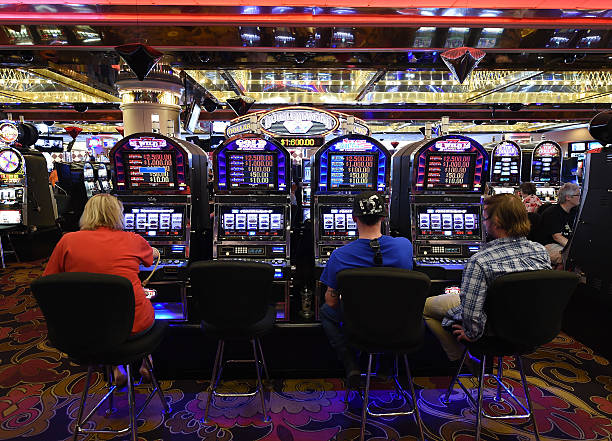
The cultural significance of gambling evolves with each society, often reflecting its values, beliefs, and socioeconomic structures. For example, in medieval Europe, gambling was both a pastime for the elite and a source of income for the lower classes, revealing class dynamics and communal engagement. The narrative of gambling over time indicates a complex relationship where it acts as a mirror to societal priorities, illustrating shifts in morality and leisure.
Today, the historical legacy of gambling persists in the various forms it takes, from casinos and sports betting to online platforms. Each iteration carries the weight of past societal views and practices, shaping the modern understanding of luck, risk, and reward. The evolution highlights not only the persistent popularity of gambling but also the changing attitudes towards it, reflecting broader cultural transformations across societies.
Cultural Variations in Gambling Practices
Cultural attitudes toward gambling vary significantly across the globe. In many Western societies, gambling is often viewed as a legitimate form of entertainment, contributing to economic development and tourism. Countries like the United States and Australia have embraced gambling, creating regulatory frameworks that support both recreational use and responsible gambling practices. This acceptance is largely due to the societal perception of gambling as an enjoyable leisure activity, despite the potential risks.
Conversely, in many Asian cultures, gambling may be surrounded by stricter taboos and cultural prohibitions. Countries such as China view gambling with a sense of caution, often linking it to moral and ethical dilemmas. Traditional beliefs may discourage excessive gambling due to its association with fortune and misfortune, illustrating how cultural narratives shape individual behaviors and societal acceptance. These cultural variations not only impact how gambling is practiced but also influence the underlying motivations behind participation.
The global landscape of gambling reflects a rich tapestry of beliefs and practices. For instance, the indigenous tribes of North America have long participated in gambling as a form of cultural expression and community bonding. These practices highlight the role of gambling in affirming identity and fostering social cohesion within various cultural contexts, emphasizing the importance of understanding the nuances of gambling across different societies.
The Psychological and Social Implications of Gambling
The psychological dimensions of gambling reveal its profound impact on individuals and communities. Many people are drawn to the thrill of chance and the potential for significant rewards, leading to varying levels of engagement from casual play to compulsive gambling. This attraction can be attributed to the brain’s reward system, which triggers feelings of excitement and euphoria during gambling activities. However, this can also lead to addiction, underscoring the dual nature of gambling as both a source of entertainment and a potential source of psychological distress.
Socially, gambling can create complex relationships within families and communities. In some cultures, it serves as a communal activity that strengthens bonds among participants, fostering a sense of belonging and shared experience. Yet, in contrast, gambling can also lead to strife and division, particularly when it results in financial hardship or addiction. The dynamics of how gambling affects social structures can vary significantly depending on cultural context, highlighting the need for responsible gambling practices.
Ultimately, the psychological and social implications of gambling underscore the necessity of understanding these activities within their cultural frameworks. Various societies employ differing strategies to mitigate the negative effects of gambling, illustrating a collective responsibility to promote healthy engagement. By addressing these concerns, communities can cultivate an environment where gambling is recognized for both its potential benefits and risks.
Gambling in Modern Society
In the contemporary world, gambling has expanded rapidly, especially with the rise of technology. Online gambling platforms have revolutionized the industry, making it accessible to a broader audience. This shift has significant cultural implications, as it alters the traditional settings of gambling and influences how it is perceived in society. Accessibility can enhance participation, but it also raises concerns about responsible gaming, addiction, and regulation.
The normalization of gambling in media and popular culture further affects societal attitudes. Movies, television shows, and advertisements often glamorize gambling, framing it as an exciting pursuit that can lead to life-changing fortunes. This representation influences public perception, sometimes overshadowing the potential risks and negative consequences associated with gambling. As a result, society faces the challenge of balancing promotion with education on responsible gambling practices.
Moreover, the economic impact of gambling on modern society cannot be overlooked. Many governments rely on the revenue generated from gambling taxes to fund public services and community programs. This financial dependency complicates the narrative, as it creates a tension between promoting gambling as a legitimate industry and addressing the potential harms it can inflict on individuals and families. As societies navigate this complex landscape, discussions surrounding ethical gambling practices and regulations will continue to evolve.

Website Resource for Responsible Gambling
As gambling becomes increasingly prevalent in modern society, resources for responsible gambling are essential. Websites dedicated to providing information about gambling practices, regulations, and safety measures empower individuals to make informed decisions. These platforms offer valuable insights, from understanding the risks of gambling addiction to exploring ways to engage with gambling responsibly.
For those looking to delve deeper into the world of gambling, certain resources offer curated selections and comprehensive guidance. This includes evaluations of online gambling platforms, legal considerations, and even tips for ensuring a safe gaming experience. By equipping users with knowledge, these websites foster a more responsible approach to gambling, encouraging a culture of awareness and informed choice.
In summary, the cultural significance of gambling across societies reflects a complex interplay of historical perspectives, cultural variations, psychological impacts, and modern implications. With accessible resources, individuals can navigate the world of gambling more safely, enhancing both their experience and understanding of this multifaceted cultural phenomenon. The ongoing dialogue about gambling practices will be essential in shaping its future role within society.