
Understanding gambling basics for beginners A comprehensive guide
What is Gambling?
Gambling is the act of wagering money or something of value on an uncertain event with the primary intent of winning additional money or goods. This practice has a rich history, dating back thousands of years, and encompasses a variety of activities, including sports betting, casino games, and lotteries. The essence of gambling lies in risk-taking; participants place bets based on their predictions of outcomes, often influenced by chance, skill, and psychology. Many enthusiasts enjoy using a Shuffle promo code to enhance their gambling experience.

At its core, gambling involves both excitement and the possibility of loss. The thrill of potentially winning can drive individuals to engage in this behavior, while the inherent risks can lead to significant financial and emotional consequences. Understanding these dynamics is crucial for beginners, as it equips them to make informed decisions about their gambling activities.
In today’s world, gambling is more accessible than ever, thanks to online casinos and mobile applications. This convenience has broadened the appeal of gambling to diverse audiences, including those who may never have considered it before. However, with this accessibility comes the responsibility to recognize when gambling can become problematic, highlighting the need for education on its fundamentals.
Types of Gambling
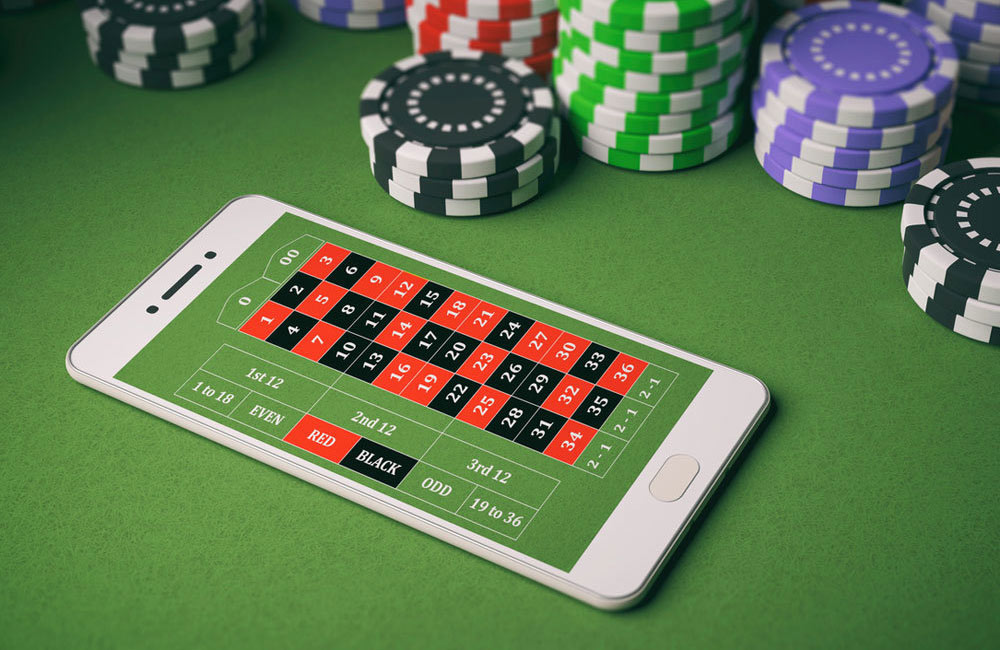
There are numerous forms of gambling, each offering unique experiences and varying levels of risk and reward. Casino games, such as poker, blackjack, and roulette, are popular among enthusiasts and often involve a mix of skill and chance. Many players enjoy the social aspect of these games, as they can engage with others at a table while trying to outsmart the dealer.
Sports betting is another widely recognized form of gambling, where individuals wager on the outcomes of sporting events. This type often requires knowledge of the sport and its players, as well as an understanding of betting odds. The increasing availability of sports betting platforms has made it particularly appealing, especially among sports fans looking to enhance their viewing experience.
Additionally, lotteries represent a different facet of gambling, characterized by low cost and the potential for huge payouts. While lotteries may offer less strategy and more reliance on luck, their popularity remains high due to the allure of life-changing sums of money. Understanding these diverse types of gambling helps beginners navigate their options and find what suits them best.
The Psychology of Gambling
The psychology behind gambling is complex and multifaceted. Many individuals are drawn to gambling due to the thrill of risk and the potential for reward. The concept of a “near miss” can be particularly enticing; when players come close to winning, their brains release dopamine, reinforcing the behavior and encouraging them to keep playing. This cycle can create a powerful allure, making it difficult for some individuals to walk away.
Moreover, cognitive biases can significantly affect decision-making in gambling contexts. For instance, gamblers may overestimate their abilities or underestimate the role of chance, leading to irrational betting behaviors. Understanding these psychological factors is essential for beginners, as it can help them recognize their motivations and develop a more balanced approach to gambling.
Furthermore, social influences play a critical role in the psychology of gambling. Peer pressure, social acceptance, and cultural attitudes towards gambling can all shape individuals’ behaviors and decisions. Beginners should be aware of these influences, as they can lead to risky behaviors and potentially harmful consequences.
Responsible Gambling Practices
As gambling can be a thrilling experience, it is vital for beginners to adopt responsible gambling practices. Establishing a budget is one of the first steps individuals should take before engaging in any gambling activity. This budget should be based on disposable income, ensuring that funds allocated for gambling do not impact essential living expenses. By setting financial limits, players can enjoy the experience without significant repercussions.
Additionally, understanding the odds and probabilities associated with different games can help beginners make more informed decisions. Knowledge of how odds work enables players to assess their risks better and choose games that align with their skill levels. Educating oneself about the mechanics of each game can enhance the overall experience and help mitigate losses.
Finally, recognizing the signs of problem gambling is crucial. If gambling begins to interfere with personal relationships, financial stability, or emotional well-being, it may be time to seek help. Resources and support systems are available for those who may struggle with gambling-related issues, and taking proactive steps can lead to a healthier relationship with gambling.
Exploring More Resources
For individuals interested in learning more about gambling and its nuances, there are abundant resources available online. Websites dedicated to gambling education often provide valuable insights, including strategies for various games, tips for responsible gambling, and psychological considerations. Engaging with these materials can empower beginners to make informed choices and enhance their overall understanding of the gambling landscape.
Furthermore, community forums and support groups can be excellent avenues for sharing experiences and gaining knowledge from others. Connecting with seasoned gamblers can provide novices with firsthand accounts and advice that may help them navigate their own journeys more effectively. The collective wisdom of such communities can be invaluable for those looking to dive deeper into the world of gambling.
In conclusion, understanding the basics of gambling involves recognizing its various forms, the psychological factors at play, and the importance of responsible practices. By arming themselves with knowledge and resources, beginners can enjoy gambling as a fun and entertaining activity while minimizing the risks involved.